South Ruislip station rubbish pickup options: a practical guide for fast, tidy clearance
If you are trying to sort out rubbish near South Ruislip station, you probably want one thing: a clean, simple solution without dragging bags around in the dark or waiting for the "right" day that never seems to come. The good news is that South Ruislip station rubbish pickup options are more flexible than many people expect. Whether you are clearing a flat, dealing with a shed full of junk, or shifting a single awkward item, there is usually a sensible route forward.
This guide breaks down how rubbish pickup works in practice, who it suits, what to avoid, and how to choose the most efficient option for your situation. It is written for real-world use, not theory. Let's face it, when rubbish starts building up, nobody wants a lecture.
Table of Contents
- Why South Ruislip station rubbish pickup options matters
- How South Ruislip station rubbish pickup options works
- Key benefits and practical advantages
- Who this is for and when it makes sense
- Step-by-step guidance
- Expert tips for better results
- Common mistakes to avoid
- Tools, resources and recommendations
- Law, compliance, standards, or best practice
- Options, methods, or comparison table
- Case study or real-world example
- Practical checklist
- Conclusion
- Frequently asked questions
Why South Ruislip station rubbish pickup options Matters
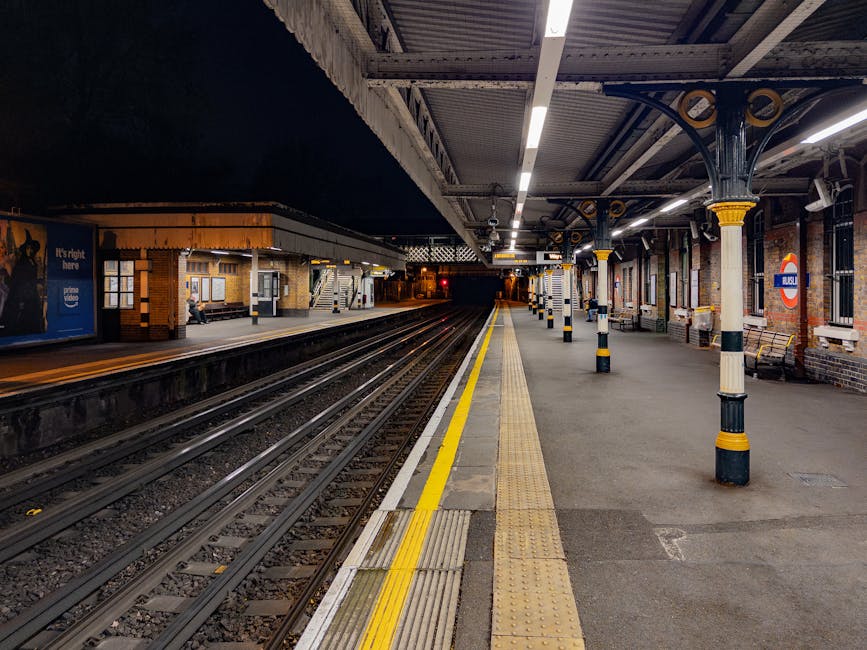
South Ruislip station sits in a busy, lived-in part of West London, which means rubbish problems are rarely just about "a bit of waste." They are usually about timing, access, neighbours, parking, weather, and how quickly you can get the mess off the floor. If you are moving out, renovating, emptying a garage, or just sick of looking at old furniture in the hallway, the way you handle removal matters as much as what you are throwing away.
In the station area, pickups also need a bit of planning because roads, pathways and shared entrances can get congested. A pile of bags left outside for too long is not ideal. Nor is leaving broken items near a public route and hoping someone else deals with it. Better to use a proper collection route and keep the job tidy from the start.
There is also the simple reality that rubbish has a habit of multiplying. One cracked wardrobe becomes two boxes, then a broken chair, then a mystery bag from the back of the cupboard. Before you know it, you are dealing with more than you meant to. A clear pickup plan keeps the whole thing from becoming a weekend-eating monster.
If your waste includes bulky items, mixed household rubbish, or material that needs sorting, you may want to look beyond basic bin collection. Services such as waste removal, flat clearance, or even house clearance can be more practical than trying to piece things together yourself.
How South Ruislip station rubbish pickup options Works
At a simple level, rubbish pickup means arranging for waste to be collected from your property, business premises, or another agreed location and then taken away for disposal, sorting, or recycling. The exact process depends on the type and volume of rubbish, but the general pattern is straightforward.
Most people start by describing what needs removing: bags, furniture, white goods, boxes, builders' debris, garden waste, or a mixture of several types. From there, the provider estimates how much space the rubbish will take and what sort of vehicle or crew is needed. That part matters more than people think. A single sofa is one thing; a hallway full of mixed junk is another.
In a station area, access is often the deciding factor. Can a van park safely nearby? Is there a lift? Are there stairs? Do the items need to be carried through a narrow entrance or down a shared walkway? These details affect both time and cost, so it helps to be honest up front. No drama, just the facts.
Some pickups are best handled as a general waste clearance job, while others fit more specific services. For example, old household items may sit neatly within furniture disposal or mattress and sofa disposal. If the waste is mainly from a small refurb, builders waste clearance may be the better fit.
And if you are dealing with appliance waste, especially something heavy or awkward like a fridge or freezer, it is worth checking whether fridge and appliance removal is the right route. Those items are not just bulky; they often need careful handling.
Key Benefits and Practical Advantages
The main advantage of a professional pickup is speed. Instead of waiting to break the job into tiny pieces, you can often remove everything in one go. That saves time, but it also saves mental bandwidth, which is underrated. Once the rubbish is gone, the room feels different. Lighter. Usable. Quiet, even.
There is also a safety angle. Bags full of mixed waste, sharp edges, broken glass, and heavy furniture are not fun to move down stairs or around corners. A proper collection reduces the chance of strain, injury, or a messy spill in a shared area. To be fair, nobody enjoys carrying a wardrobe leg through a narrow stairwell.
Another benefit is sorting. Reputable waste teams separate items for recycling where possible rather than treating everything as a single pile. That matters for both environmental reasons and practical disposal. If you care about making a cleaner choice, recycling and sustainability is a helpful area to review before you book.
For businesses, the value is even clearer. A tidy office, shop, or back room keeps operations moving and avoids clutter becoming a health and safety issue. If that sounds familiar, office clearance and business waste removal are often better than leaving staff to manage waste piecemeal.
There is a cash-flow angle too. A well-planned pickup can be more cost-effective than repeated small removals, especially if you bundle items together. One trip, one clear-out, one result. Simple, really.
Who This Is For and When It Makes Sense
This topic is not just for big clear-outs. In practice, South Ruislip station rubbish pickup options suit a wide range of people and situations:
- tenants moving out of a flat near the station
- homeowners clearing lofts, garages, or spare rooms
- landlords turning over a rental quickly
- local businesses dealing with packaging, old stock, or office clutter
- people replacing furniture, mattresses, or appliances
- DIYers dealing with leftover rubble, timber, or repair waste
Sometimes it is obvious when you need a pickup. Sometimes it creeps up. The spare room becomes storage. Then storage becomes a problem. Then you avoid opening the door. Human beings are funny like that.
If your situation is one of these, it may be worth considering a more targeted service instead of a general one. For example, loft clearance can make sense for a space full of old boxes and forgotten items, while garage clearance may be the better match if the problem is bicycles, tools, and damp cardboard that somehow survived three winters.
For larger domestic jobs, home clearance or flat clearance can save a lot of back-and-forth. If you are just tackling one oversized item, a more specific service may be enough. That is the sensible way to think about it.
Step-by-Step Guidance
Here is a practical way to approach rubbish pickup without making it harder than it needs to be.
- Sort the waste by type. Separate general rubbish, furniture, appliances, garden waste, and anything that looks hazardous. You do not need perfection, just enough clarity to explain what is there.
- Check access. Measure doorways, note stairs, lifts, parking constraints, and any tight turns. A collection team needs to know whether they can move items safely and efficiently.
- Identify anything sensitive or restricted. Old paperwork, electronics, chemicals, paints, or cleaning products should be flagged early. Mixed waste with restricted items can affect how it is handled.
- Take a few photos. This is one of the easiest ways to avoid confusion. A quick picture of the pile tells a much more accurate story than guessing over the phone.
- Request a clear quote. Ask what is included, whether labour and disposal are covered, and how pricing changes if the load grows on the day.
- Prepare the items. Put loose rubbish in bags, empty drawers if needed, and make sure the route to the collection point is clear.
- Confirm the collection window. In busy areas, timing matters. If you know when you can let the team in, the whole process runs smoother.
- Do a final sweep. Before the van leaves, check for overlooked items. There is always one charging cable, one rogue cushion, or one bag in the corner. Always.
If you are booking online rather than handling it by phone, it helps to review book online and the company's pricing and quotes information first. A few minutes of prep can save a headache later.
Expert Tips for Better Results
After enough clearances, a few practical habits stand out.
1. Be brutally honest about the volume. People almost always underestimate how much space waste takes up. A pile that looks "not too bad" can fill a van quickly once items are stacked properly. If in doubt, describe it as slightly larger than you think. That usually leads to a more realistic plan.
2. Keep hazardous items separate. Paint tins, solvent containers, sharp tools, and certain chemicals should never just be mixed into a generic heap. If you have something tricky, check hazardous waste disposal before booking. It is much better to flag this early than to improvise on the day.
3. Bundle similar items together. It sounds minor, but grouping furniture, bags, cardboard, or electricals makes loading faster. Faster loading usually means less disruption for you and your neighbours.
4. Watch the weather. A wet morning in London can turn cardboard soggy and slippery very quickly. If your pickup is outdoors, a bit of covering helps. Small detail, big difference.
5. Ask about disposal pathways. You do not need a lecture on recycling, but it is fair to ask whether the provider sorts reusable or recyclable material. Responsible operators should be able to explain their approach in plain English.
One more thing: if a sofa, mattress, or fridge has to come out of a tight space, say so clearly. That is the sort of detail that can turn a neat job into a stressful one if nobody mentions it early. Better to overexplain a little than underexplain and hope for the best.
Common Mistakes to Avoid
Most rubbish pickup problems are avoidable. The usual mistakes are simple, but they create unnecessary delay or cost.
- Leaving things until the last minute. If you need the space cleared before a move or delivery, book early enough to allow a backup plan.
- Mixing everything together. A jumble of general waste, electronics, and restricted materials makes assessment harder and can complicate disposal.
- Not checking access. A van may not be able to stop exactly where you imagine. Stairs, gates, and parking restrictions all matter.
- Forgetting about heavy items. Wardrobes, treadmills, and appliances are deceptively awkward. They are not just "one item."
- Assuming bin collections will handle bulky rubbish. Usually, they will not. You need a proper pickup or council-approved bulky waste route.
- Ignoring sensitive items. Old paperwork and data-bearing devices need a bit more care. If confidentiality matters, look into confidential shredding.
A lot of frustration comes from expecting a rubbish job to behave like a tiny household chore. Truth be told, once it grows past a bin bag or two, it becomes a logistics job. Treat it that way and it gets much easier.
Tools, Resources and Recommendations
You do not need special equipment to organise a pickup, but a few simple tools help:
- a tape measure for doors, stairs, and bulky furniture
- a phone camera for quick photos of the waste
- strong bin bags or rubble sacks
- labels or markers for keeping items grouped
- basic gloves if you are moving light items yourself
For people weighing up whether a pickup or skip is the better choice, what can go in a skip is useful background. It helps you understand the limits and practicalities before you commit.
It can also be helpful to compare clearance services if the job is more than simple rubbish. For example, furniture clearance is ideal when the main issue is bulky household items, while garden clearance is a better fit when the mess is green waste, broken fencing, pots, and soil.
If you are dealing with a business environment, check the company's policies too. Pages such as insurance and safety and health and safety policy show how seriously a provider handles the practical side of the work. That matters more than people realise.
Law, Compliance, Standards, or Best Practice
Rubbish pickup is not just about convenience. There is a real duty to make sure waste is handled responsibly, especially if it includes business waste, electrical items, or anything that might be classed as hazardous. Exact obligations can vary depending on the type of waste and who produced it, so it is wise to stay cautious rather than guessing.
As a general best practice, the provider should be able to explain how waste is collected, transported, sorted, and disposed of. That does not need to be wrapped in jargon. Plain language is a good sign. If a company cannot explain where your waste goes in simple terms, that is worth noticing.
For businesses, record-keeping and proper segregation are sensible habits. For households, the main point is to avoid leaving items in a way that creates nuisance, obstruction, or unnecessary risk. Shared entrances and public walkways near South Ruislip station deserve particular care because one careless pile can quickly become everyone's problem.
It is also good practice to check that collection arrangements are covered clearly in the terms, especially for restricted items, cancellations, and payment. If you want to review the basics first, terms and conditions and payment and security are worth a look before booking.
Options, Methods, or Comparison Table
There is no single best rubbish pickup method for every job. The right choice depends on volume, item type, access, and urgency. This quick comparison should help.
| Option | Best for | Pros | Trade-offs |
|---|---|---|---|
| General rubbish pickup | Mixed bags, small clutter, everyday waste | Simple, flexible, quick to arrange | May not suit bulky or specialist items |
| Flat clearance | Full or partial property clear-outs | Covers a lot in one visit | More than you need if it is only one item |
| Furniture disposal | Sofas, wardrobes, tables, beds | Good for large awkward items | Needs access details and item descriptions |
| Appliance removal | Fridges, freezers, washing machines | Safer for heavy units | Some items need special handling |
| Builders waste clearance | DIY or renovation debris | Useful after small works or repairs | Not ideal for mixed household items |
| Skip-based approach | Ongoing waste from longer jobs | Handy if the waste builds over time | Needs space and careful filling |
If you are still unsure, think in terms of "what is the main thing causing the problem?" A sofa problem is a furniture problem. A cluttered office is an office clearance problem. A pile of mixed junk after decorating is more likely a general waste issue. That small shift in thinking helps a lot.
Case Study or Real-World Example
Here is a typical sort of job that comes up around the South Ruislip area. A tenant is moving out of a first-floor flat close to the station. The place is mostly empty, but there is still a broken bed frame, two chairs, a collapsed shelf, several black bags, and a fridge that no longer works. Nothing dramatic. Just enough to make the exit day annoying.
At first, the tenant thinks a few trips to the local tip will do it. Then the practical issues start appearing: no car big enough, limited time before handover, and nowhere easy to store the waste while waiting. They realise the job is not about motivation; it is about transport and timing.
The better solution is to group the items, photograph the access route, and arrange a single pickup that covers mixed waste and the bulky pieces together. The fridge needs specific handling, the bed frame is straightforward, and the bags can be loaded quickly. The flat is cleared in one visit, the hallway is left tidy, and the tenant avoids the last-minute panic that tends to happen on moving day.
That sort of job is common. Small enough to look manageable, large enough to become a headache if handled piecemeal. If you have ever stood in a room at 9pm wondering why an "easy little clear-out" has become a whole story, you will know the feeling.
Practical Checklist
Use this before booking or arranging collection:
- List every item that needs removing
- Separate bulky items from loose rubbish
- Flag anything hazardous, sharp, confidential, or electrical
- Take clear photos in good light
- Check whether stairs, lifts, parking, or narrow access could affect the job
- Decide whether you need general removal or a more specific service
- Read the pricing, payment, and terms information first
- Ask how recycling or reuse is handled
- Clear the route from the waste to the exit point
- Do a final room-by-room check before the team leaves
If you want a more service-led route, you can also explore house clearance, home clearance, or garage clearance depending on where the clutter lives. Sometimes the right label makes the job much easier to organise.
Conclusion
South Ruislip station rubbish pickup options are really about choosing the right level of help for the job in front of you. A few bags, a broken sofa, a fridge, a loft full of boxes, or a whole flat after a move all call for slightly different thinking. Once you match the waste to the method, the process becomes calmer and far more efficient.
The best approach is usually the one that balances access, urgency, safety, and disposal responsibility without making your day harder than it needs to be. Keep the waste sorted, be clear about what you have, and use a service that can handle the load properly. Simple advice, yes, but it saves people a lot of hassle.
Get a free quote today and see how much you can save.
And if the pile in front of you feels a bit too much right now, that is normal. Start with one bag, one item, one decision. The rest tends to follow.
Frequently Asked Questions
What counts as rubbish pickup near South Ruislip station?
It usually means collecting unwanted household waste, bulky items, mixed clutter, or business rubbish from a property or agreed location and taking it away for disposal or recycling.
Is rubbish pickup better than hiring a skip?
It depends on the job. Pickup is often better for one-off clear-outs, bulky items, or properties with limited space. A skip can suit ongoing waste or longer projects, provided you have somewhere suitable to keep it.
Can I book pickup for just one item?
Yes, often you can. Single items like a mattress, sofa, wardrobe, or appliance are common requests. It is usually more efficient to mention the item type clearly when asking for a quote.
What if I have mixed waste, not just one type?
That is very common. Mixed waste can still be collected, but it helps to separate obvious categories such as furniture, bags, cardboard, and electrical items so the job can be assessed properly.
Do I need to be at the property for collection?
Usually yes, or at least someone needs to provide access and confirm what is being removed. Some arrangements may be possible without you being present, but that should be agreed in advance.
How do I prepare for a rubbish pickup in a flat?
Take photos, clear a route to the door, tell the provider about stairs or lifts, and group the waste together if you can. A small bit of preparation makes a huge difference in a flat, especially near busy streets.
What should I do with hazardous items?
Hazardous items should be flagged before booking. Paint, chemicals, sharp waste, and similar materials may need separate handling, so it is safer to ask rather than guess.
Are old sofas and mattresses handled differently?
Often, yes. They are bulky, awkward, and sometimes need specific removal methods. A service such as mattress and sofa disposal is usually the cleanest fit.
Can rubbish pickup include appliances like fridges or freezers?
Yes, but appliances can need extra care because of their weight and internal components. It is best to mention them specifically so the collection is planned correctly.
How do I know if a provider is a sensible choice?
Look for clear pricing, straightforward answers, sensible safety information, and a practical explanation of how waste is handled. If the process feels vague, that is usually a warning sign.
What is the best option for a full flat clear-out?
A flat clearance service is often the most efficient choice for a full or near-full clear-out because it can handle mixed items, furniture, and general waste in one organised visit.
Can rubbish pickup help with office or business waste?
Yes. Office and business waste can often be cleared more efficiently through a dedicated service, especially if you need regular removal, recycling support, or help with larger volumes.
What should I check before confirming a booking?
Check access, item type, collection timing, pricing details, and whether anything needs special handling. A quick review of the terms, payment, and disposal approach is always worthwhile.
Is there a good way to reduce the cost?
Usually the best way is to sort the waste in advance, give accurate details, and avoid last-minute changes. Clear information helps the provider quote properly the first time, which tends to keep things smoother.